

 Chennai |
Patients with diabetes are usually poorly informed about the relationship between periodontitis and diabetes.
Therefore, health care providers of patients with diabetes should be aware of this link and inform their patients about the need for good oral health. Referral of patients with uncontrolled diabetes for dental evaluation and periodontal treatment may result in better control of blood glucose levels.
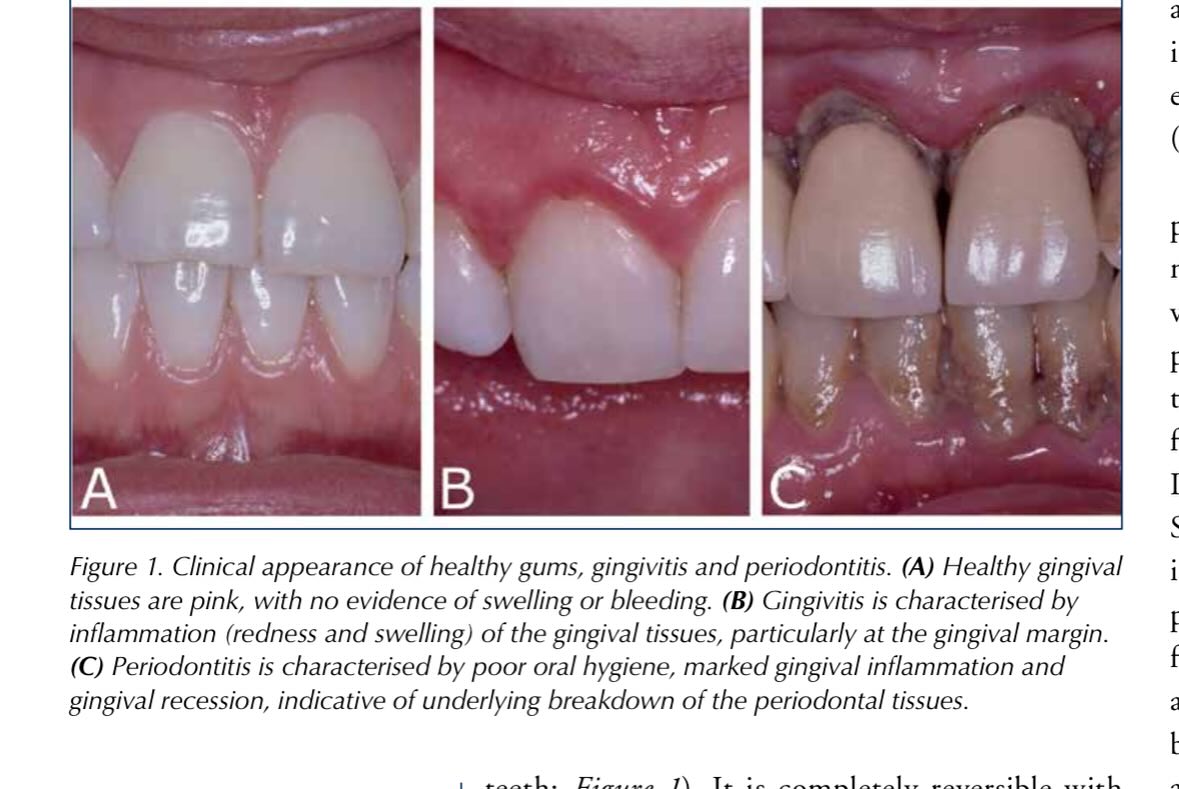
Periodontal disease and diabetes are closely linked, and the relationship goes both ways:
How They Are Connected
1. Diabetes increases risk of periodontal disease
- High blood sugar leads to impaired immunity → bacteria and plaque in the gums grow unchecked.
- Poor wound healing → gum tissue repairs slowly.
Diabetics are 3–4 times more likely to develop periodontitis.
2. Periodontal disease worsens diabetes control
- Gum infection triggers inflammation → increases insulin resistance.
- This makes blood sugar harder to control, leading to higher HbA1c levels.
Clinical Implications
- Patients with uncontrolled diabetes often show severe gum disease, bone loss, tooth mobility, and poor healing after dental treatment.
- Periodontal therapy (scaling, root planing, and maintenance) has been shown to improve glycemic control by reducing systemic inflammation.
Dental Management for Diabetic Patients
- Always check HbA1c before treatment (ideally <7% for good control).
- Prefer morning appointments (when blood sugar is stable).
- Emphasize oral hygiene + regular periodontal checkups.
- Coordinate care with the physician/endocrinologist.
In summary: Diabetes makes periodontal disease worse, and periodontal disease makes diabetes harder to control. Treating one helps improve
Source: National Institutes of Health (NIH) | (.gov) https://share.google/fhB2XM7o61wdtvGVk