

 Chennai |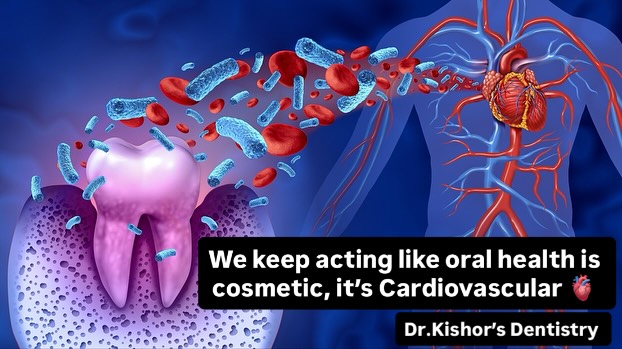
“We need to stop treating oral health as just cosmetic — it’s cardiovascular, systemic, and lifesaving.”
Here’s a breakdown of why the connection exists and how oral health impacts cardiovascular health — with actionable steps.
1. Why there is a connection
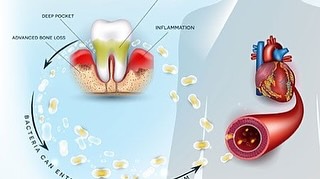
- The Periodontal disease (gum disease) involves infection and inflammation of the gums and supporting structures of the teeth.
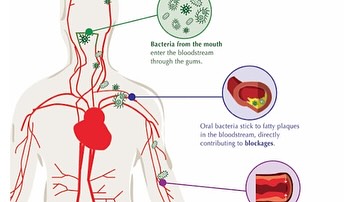
- Oral bacteria from the mouth can enter the bloodstream (especially when gums are inflamed) and travel to other parts of the body including the heart and blood vessels.
- These bacteria and the inflammation they cause may contribute to atherosclerosis (plaque build-up inside arteries), which is a major driver of cardiovascular disease (CVD).
- Inflammation is a common underlying mechanism: gum disease elevates inflammatory markers; chronic inflammation is known to play a role in heart disease.
Studies show associations: for example, people with gum disease have higher rates of heart attack, stroke and other cardiovascular events.
2. How it happens (mechanisms)
Here are some of the pathways:
- Bacterial invasion: mouth bacteria cross into bloodstream → lodge on damaged heart valves or vessel linings → can trigger infection or worsen plaque.
- Inflammatory spread: gums inflamed → inflammatory mediators (cytokines) enter circulation → affect vascular health.
Shared risk factors: Poor diet, smoking, diabetes, etc, increase both gum disease and heart disease risk. (So not all the link is causal, but still important.)
3. What the evidence shows
People with periodontal disease may have 2-3 times the risk of heart attack or stroke compared to those with healthy gums.
Also to note malaligned teeth increase plaque accumulation, which isn’t just a cosmetic issue — it has a direct link to cardiovascular problems. By correcting malocclusion with braces or Invisalign, we can reduce plaque build-up and, in turn, lower the risk of systemic diseases, including heart conditions.”